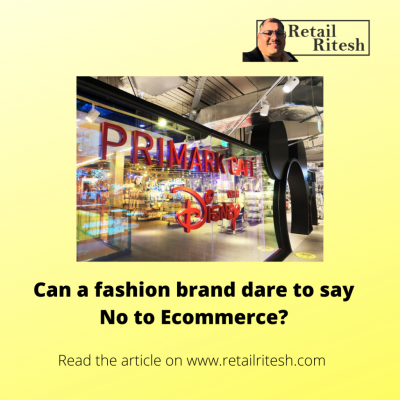
What is making Primark defy all odds and still be successful in only physical store format?
There are plenty of factors but the main one which I believe is that of a kid in a candy store feeling, only this time it is replaced with fashionable clothes.
The feeling, “I can buy all these fashion items without burning a hole in my pocket”
That’s what is driving growth to this value fashion retailer.
Experiential retail- Primark way
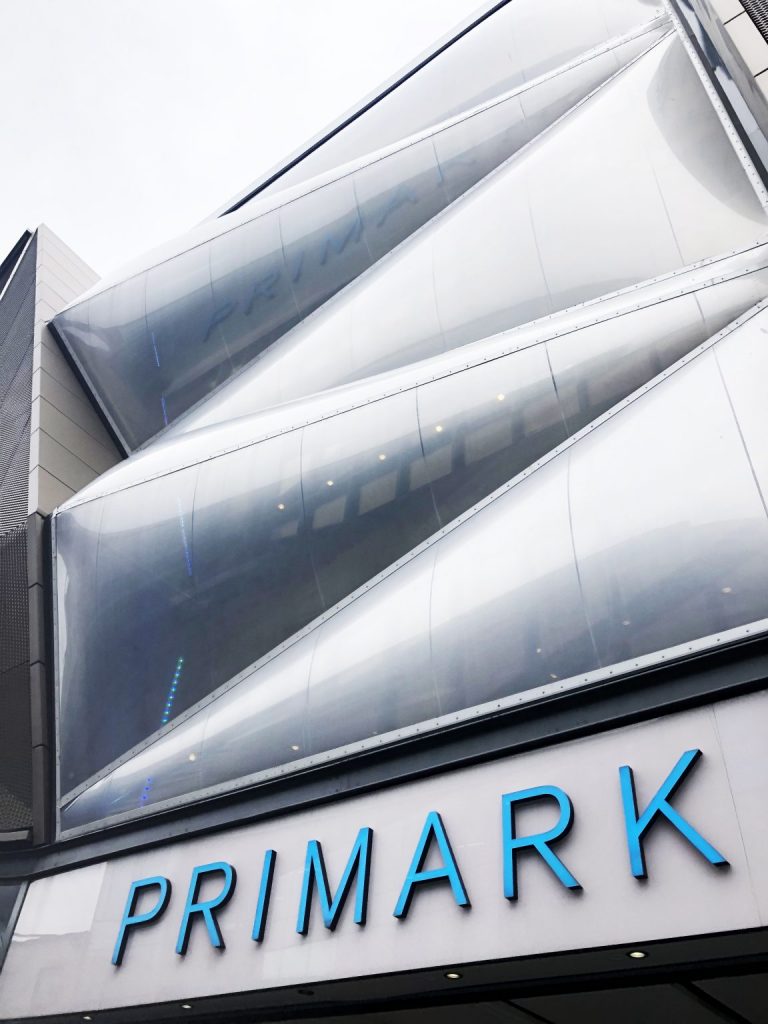
Primark introduced their world’s biggest store, as well as it being their new Flagship store, this time- Birmingham!
The store reinforces experiential spaces within the store.
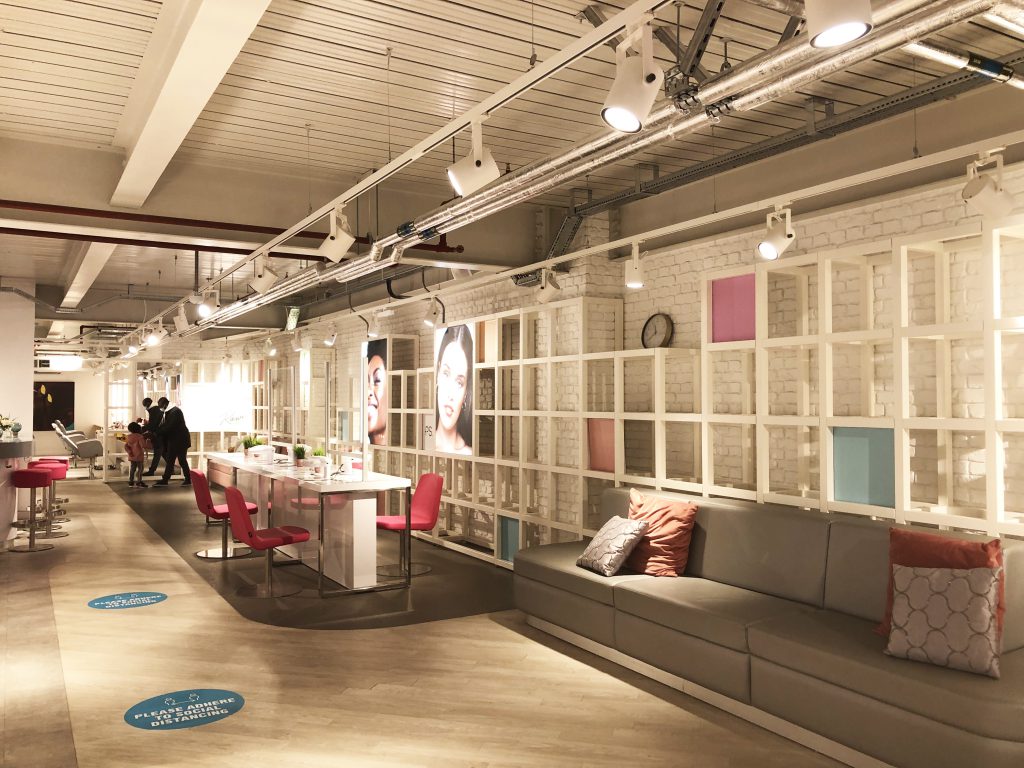
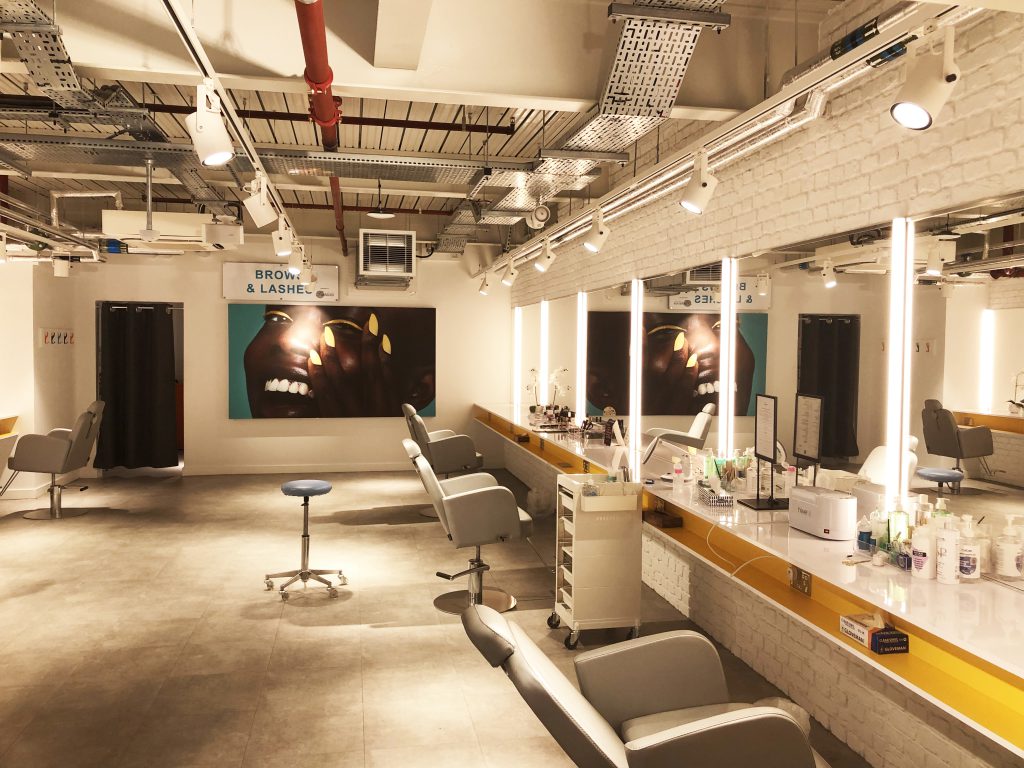
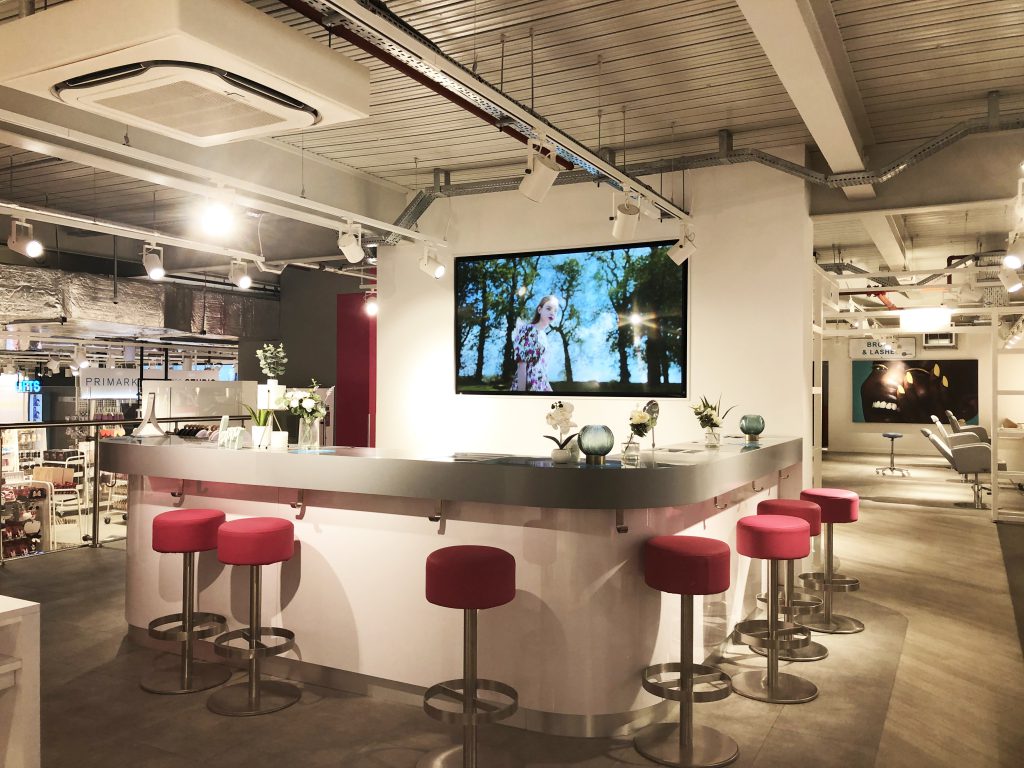
if you are looking for a bit of pampering on your shopping day, instead of visiting a beauty salon, why not take advantage of their Beauty Studio. Get your beauty regime done in the store.
Services like manicure and pedicure are rendered to the shoppers.
They have taken cue from IKEA dinning hall and have a full fledged The Mezz Restaurant to refuel you before continuing your shopping spree.
Post Pandemic insights taken note by Primark team
One category that has come out as a winner post covid19 is Wellness.
People today are more self-aware and have started asking as to what are they using or consuming.
Personally, I have even seen women checking the ingredients listing printed on the packaging.
Wellness is about peace of mind, and however you would like to interpret this, this comes in many different forms.
From touching base through a Spiritual perception, perhaps taking on Yoga or any other Athleisure hobby – Wellness items help cover this aspect with soft and sustainable workout wear.
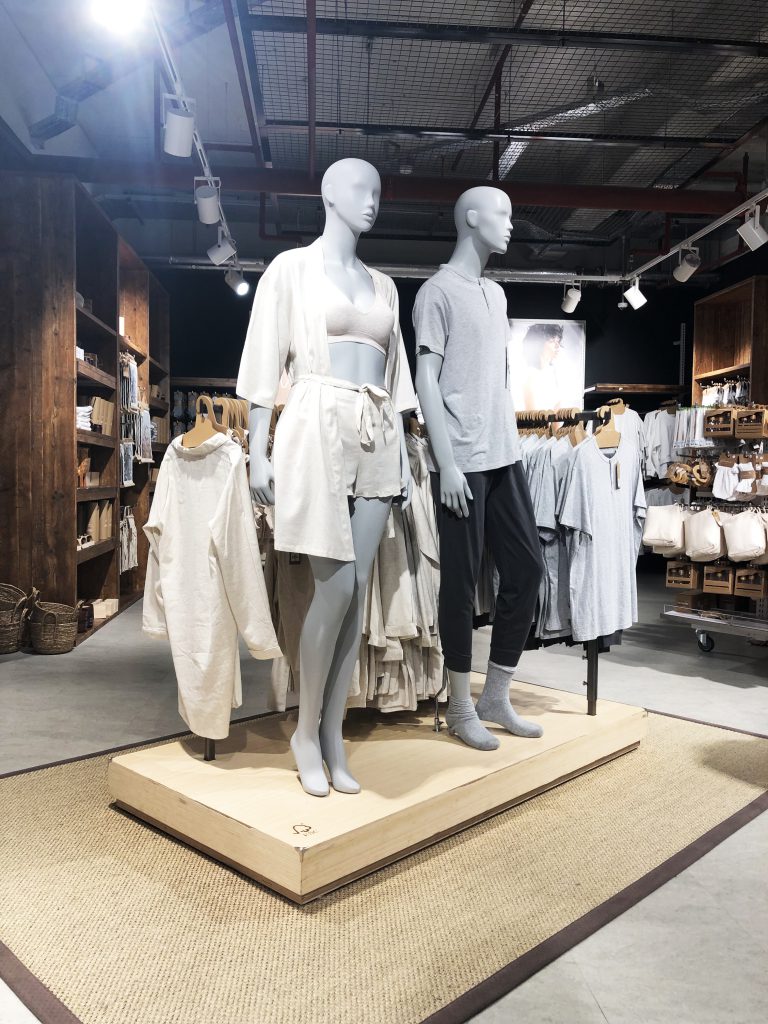
Primark team has thrown a complete wellness studio within their store.
Primark wellness lines which is made of sustainable fabric, ethically grown cotton, and consumers can feel like “chic & cozy”.
Read as to how you can compete with Amazon, click here.
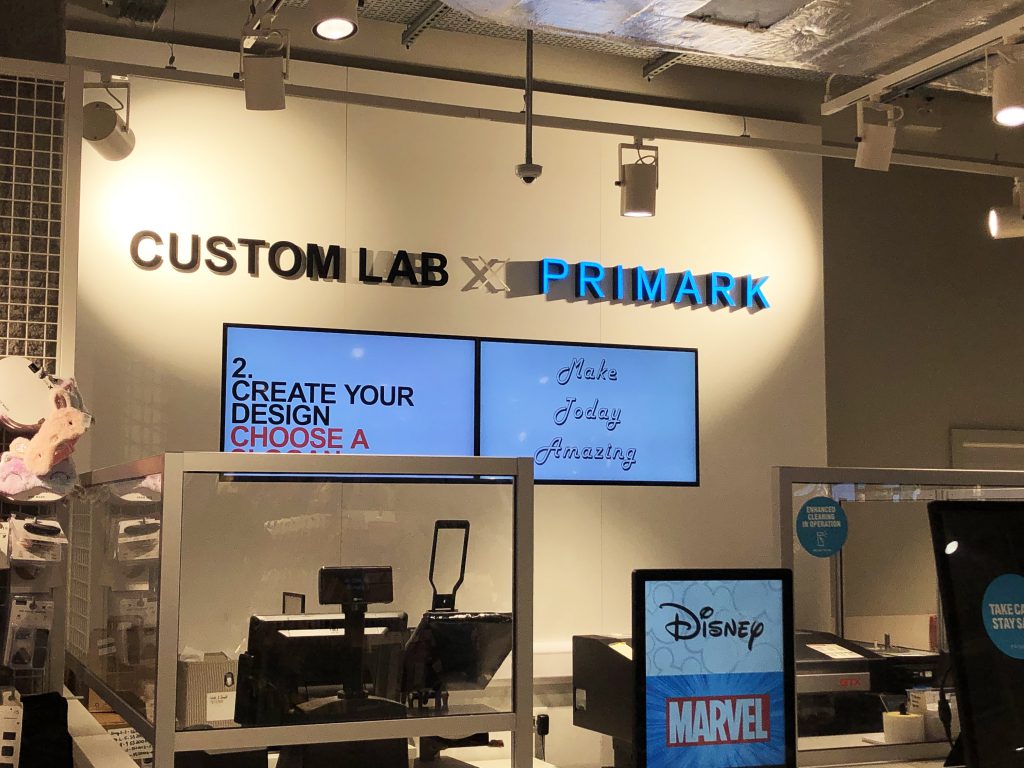
Hyper Personalisation – Primark custom lab.
Shoppers can print their messages on the T-shirts, merchandise like cups, or even paint their personalized shoes.
Learn more about Hyper Personalisation, click here.
Conclusion:
“Reinvent and Readapt yourself in order to stay relevant to your customers”.
About the author
Ritesh Mohan is a passionate retail professional with over 22 years in the Retail sector, handling some of the biggest brands in the beauty, fashion, and fragrances retail & FMCG sector.
He has been instrumental in the growth of some of the regional brands as well in the Middle East region.
Ritesh specializes in Retail management, Product development, and Brand Management, Retail Operations, Sales Management, and Franchising & Business Management.
He strongly believes in empowering business owners with his wisdom & experience of around two decades in the industry.
Consumers’ preferences and buying behaviors keep evolving and the current pandemic had a big role in accelerating this change across the sector whether it is travel, non-food retail, leisure, movies & F&B, etc.
All sectors have been impacted and there is no sector that is insulated from the aftermath of covid19.
The COVID-19 pandemic has changed how we work, travel, communicate, shop, and more;
But are these habits going to stay with us for long?
My article is an attempt to understand this change wherein I have used various polls (across social media), one-to-one discussions with experts, and have consolidated in this article to find the key insights that retailers could use in their businesses.
Consumers’ preferences – Masks & social distancing
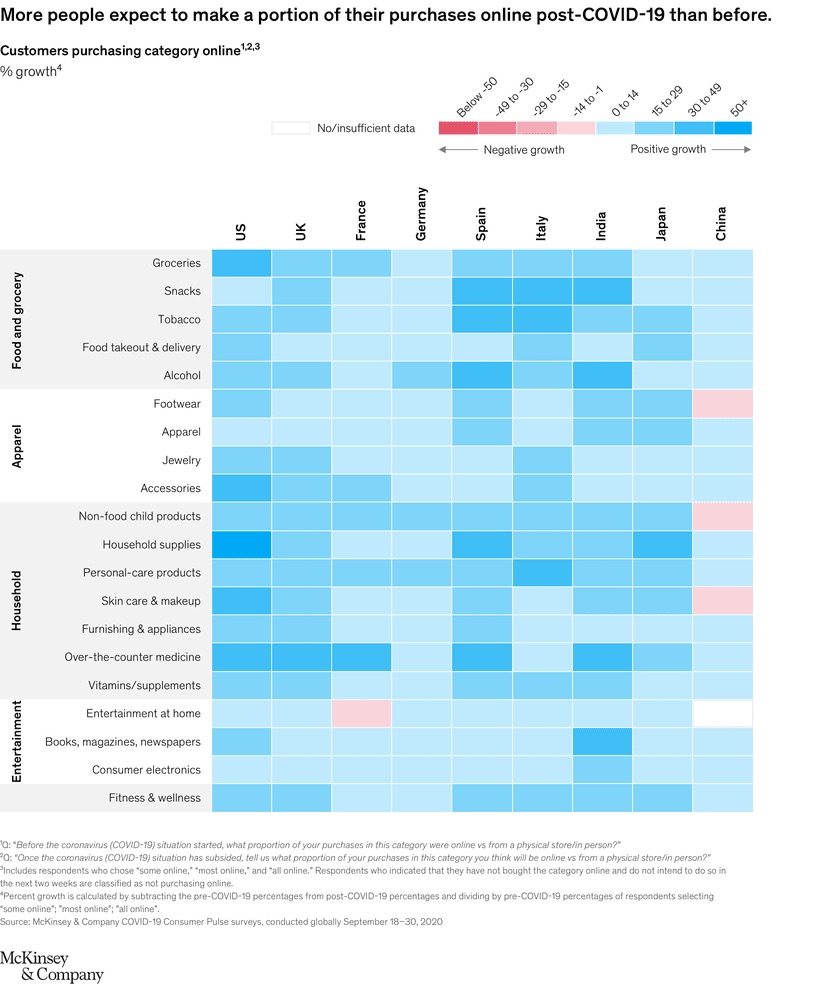
One of the major impacts that covid19 has to do all the businesses, is that it has accelerated the adoption of digital initiatives amongst most of the businesses.
Food and household categories have seen an average of over 30 percent growth in online customer base across countries. (study by Mckinsey)
The e-commerce sector has responded rapidly to the challenge of creating positive experiences in response to the pandemic.
Companies have pumped in investments in logistics and supply chains and widened their product ranges to cope up with the emerging trend towards ecommerce.
The emergence of new sectors
Never before, we saw telemedicine being used so frequently.
Thanks to Pandemic, the new field emerged of telemedicine consultations with hospitals adopting tech products to connect to their patients who were under lockdown.
The emergence of health care prescription analytics.
Since the consultation was done on digital platforms, the customer data and past history were tracked to give a more holistic diagnosis to the patient.
The power of data analysis can now be used by pharmaceutical companies to understand the consumption patterns as well as how often their brand of medicine is being prescribed by the doctors.
How are consumer preferences & behavior changing?
It is a known fact that to develop a new habit, one has to repeat it over 21 days and continue it over 3 months till it becomes a part of an individual’s lifestyle.
Five key trends in the behavioral changes emerging post covid19
Increased digital adoption: people shifting to digital platforms for day-to-day needs.
Loss of freedom in terms of Mobility & WFM: less use of public transport, more remote working, etc. Work from Home is the new Norm.
Google has announced adopting to WFM for all their employees.
Homes became workplaces which added to stress levels as individuals don’t know when to switch OFF work and switch ON their personal lives.
Change in buying behavior: move to value-based purchasing and online shopping.
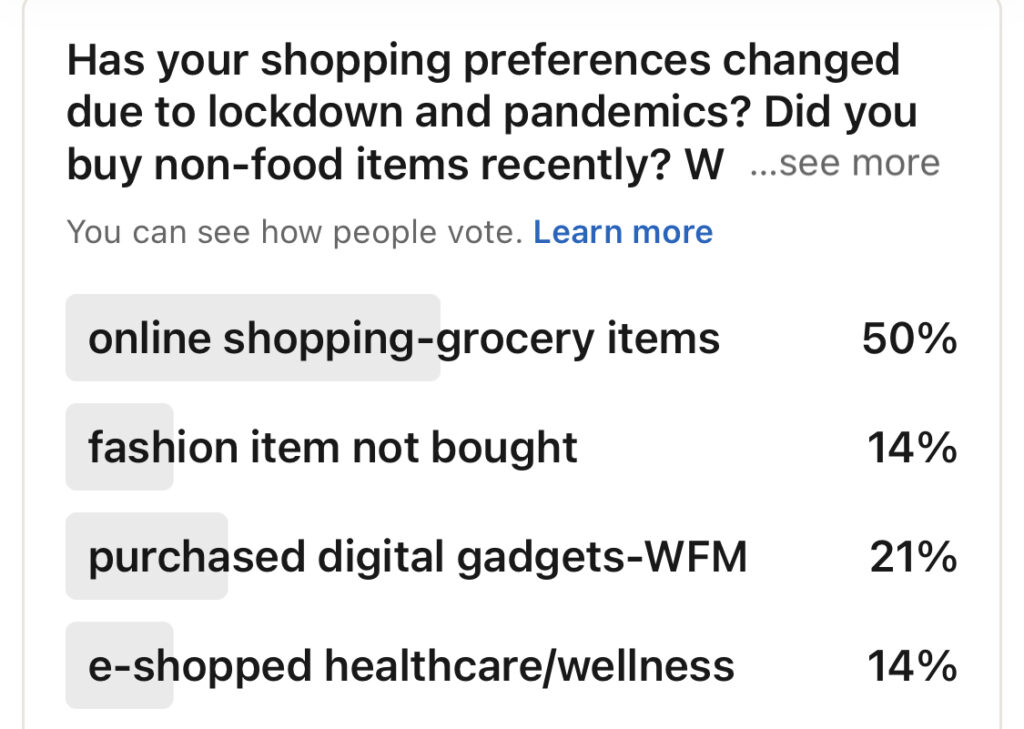
Various sectors in the exhibit showed a double-digit decline as people moved away from fashion apparel to wellness products. Digital gadgets sales showed an increase since adoption of e-schooling.
Increased awareness of health: wearing masks, increased hygiene, healthy eating etc.
Interpersonal relationships: increased divorces across the world, increased pet adoption etc.
Read about farm to fork business model, click here
Consumers’ Preferences – World became more HUMANE
The entire globe came together as one to fight the current pandemic -which is never seen before thing.
Irrespective of their statuses, all the countries whether developed, developing, or under-developed came together to help each other by providing vaccines, medicines, equipment, etc.
Consumers’ preferences –Staying true to your purpose
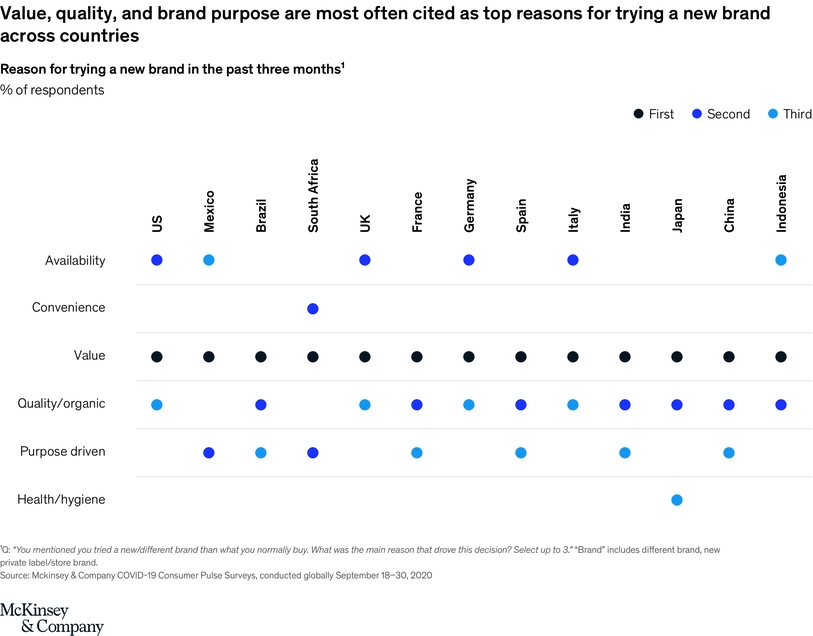
In the short and medium-term, the buying behavior is going to shift towards purpose-driven brands.
Brands that have kept trust and credibility during the Coronavirus crisis are likely to benefit in a big way.
Post the crisis, people might become less prone to experimenting with “flashy” or “edgy” brands, as well as with brands that are generic and touted as “value-for-money”.
The focus will shift sharply towards brands that have been able to win consumer trust in this time of crisis.
This gives brands a big opportunity to pump up their CSR initiatives to win the trust of their customers.
For instance, Personally, I loved the initiatives by Air India (India’s national carrier) wherein they flew millions of Indians stuck during lockdown to their respective cities and countries under the scheme of Vande Bharat.
As a traveler, I shall never forget Air India’s contribution towards its citizen and in the future personally, I shall not change my airline as they have now earned a space in my heart.
I always recommend to my readers, “Its Heart that matters and not Mind”
(Makes me recall an advertising slogan in Hindi “Dil ka Rishta- strive to win hearts”)
Read about new rules of quarantined economics, click here
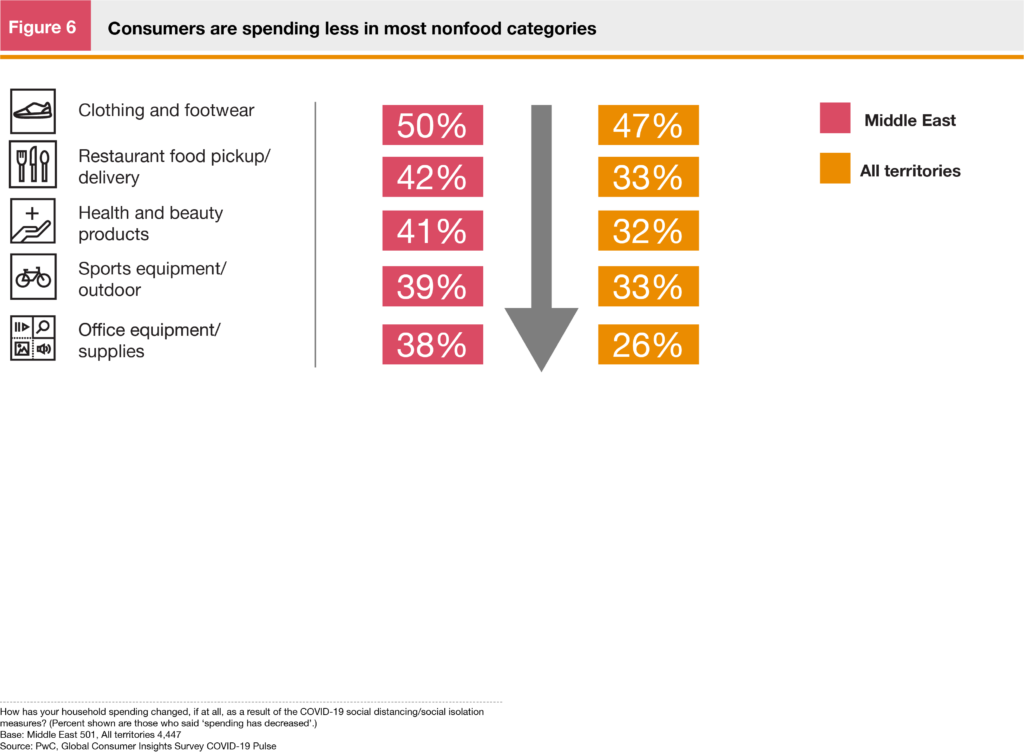
In the middle east, PWC surveyed 501 consumers in Abu Dhabi, Cairo, Dubai, Jeddah, and Riyadh as part of a wider PwC global survey of the impact of COVID-19 on consumers.
Overall, 62% of Middle East survey respondents said they had experienced a decrease in household income due to redundancy or reduction in hours – the highest proportion of any territory surveyed.
An additional 15% had lost out on earnings as a result of caring for others or illness, meaning 77% in total reported a fall in household income, compared with an all-territory average of 48%.
The findings reflect in the pictures shown below.
How long are these consumers’ preferences going to stay?
This question is in the minds of every marketeer, the answer is only time will tell but we need to prepare our brand and businesses to adapt to these changes in preferences.
Few Tips:
Build your business model around customer convenience. Irrespective of online or offline retail… (for me it is just the manifestation of serving customers).
Create the new customer journey starting from online to offline(in-store) and stay true to your Brand Promise across touchpoints.
Every touchpoint counts & matters; whether it is social media, your Influencer campaign, your CRMs, or any marketing initiatives.
Good time for organic and wellness brands to tap the emerging markets as customers are just ready for early adoption.
new purchasing habits, and new opportunities for retailers to promote themselves and attract shoppers.
References: Mckinsey study, PWC survey, think with google case papers.
About the Author:
Ritesh Mohan is a passionate retail professional with over 22 years in the Retail sector, handling some of the biggest brands in the beauty, fashion, and fragrances retail & FMCG sector.
He has been instrumental in the growth of some of the regional brands as well in the Middle East region.
Ritesh specializes in Retail management, Product development, and Brand Management, Retail Operations, Sales Management, and Franchising & Business Management.
He strongly believes in empowering business owners with his wisdom & experience of around two decades in the industry.